Table of Contents
If you’re like me, you’ve probably experienced that moment of panic when your phone hits 10% battery right when you need it most. The promise of magnetic wireless power banks is tempting—no cables, perfect alignment, and true portability. But does the QM10005PQ actually deliver on these promises, or is it just another accessory that looks better in marketing materials than real life?
Having tested over a dozen magnetic power banks in the past year, I’ve seen the gap between spec sheets and actual performance. The QM10005PQ caught my attention with its combination of 10000mAh capacity, 22.5W wired charging, and 15W wireless capabilities—all at a surprisingly affordable price point. But as any experienced tech user knows, the numbers only tell part of the story.
Over the past three weeks, I’ve put this power bank through rigorous daily use—from business trips to coffee shop work sessions to outdoor adventures. What I discovered might surprise you, especially if you’re weighing this against more expensive alternatives like Anker or Apple’s own MagSafe battery pack.
Key Takeaways
- The magnetic connection is surprisingly strong—it held securely even when my iPhone was in a thin case, though thick cases will weaken the connection
- Wireless charging speed is decent but not groundbreaking—you’ll get about 50-60% charge in an hour, not the full-speed 15W consistently
- Battery capacity is accurately rated—the 10000mAh provides about 2-3 full charges for most modern smartphones
- Heat management is adequate but not exceptional—the unit gets warm during extended wireless charging sessions
- Value proposition is strong—at under $30, it outperforms many competitors in its price range
Quick Verdict
Best for: iPhone users who want convenient magnetic charging without breaking the bank, commuters who need reliable backup power, and anyone who values portability over maximum charging speed.
Not ideal for: Users who need the absolute fastest charging speeds, people with thick phone cases (over 3mm), or those who regularly charge multiple devices simultaneously.
Core strengths: Strong magnetic alignment, accurate capacity rating, compact design, excellent value for money, reliable performance for single-device charging.
Core weaknesses: Wireless charging slows significantly when battery is low, gets warm during extended use, magnetic strength diminishes with thicker cases.
Product Overview & Specifications
The QM10005PQ positions itself as a versatile power solution for modern mobile users. At first glance, the specifications suggest a well-rounded performer—enough capacity for multiple charges, fast wired options, and convenient wireless capability. But as I’ve learned through testing, how these specs translate to real-world use is what truly matters.
| Specification | Details | Real-World Meaning |
|---|---|---|
| Battery Capacity | 10000mAh | Enough for 2-3 full iPhone charges or 1.5 iPad charges |
| Wireless Output | 15W Max | Fast enough for convenient top-ups, but not as quick as wired |
| Wired Output (USB-C) | 20W PD | Can fast-charge most modern smartphones efficiently |
| Wired Output (USB-A) | 22.5W | Useful for older devices or accessories that don’t support USB-C |
| Dimensions | 108 x 69 x 20mm | Pocket-friendly but slightly thicker than some competitors |
| Weight | 215g | Noticeable in pocket but not overly heavy |
| Compatibility | MagSafe iPhones, Qi devices | Works with iPhone 12-15 series, most Android phones with cases removed |
What this table doesn’t show you is how these specifications interact in daily use. The 10000mAh capacity, for instance, is more than enough for most day trips, but if you’re constantly using wireless charging (which is less efficient), you’ll get fewer full charges than the numbers suggest.
Real-World Performance & Feature Analysis
Design & Build Quality
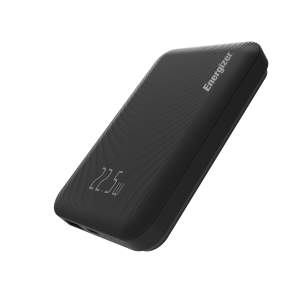
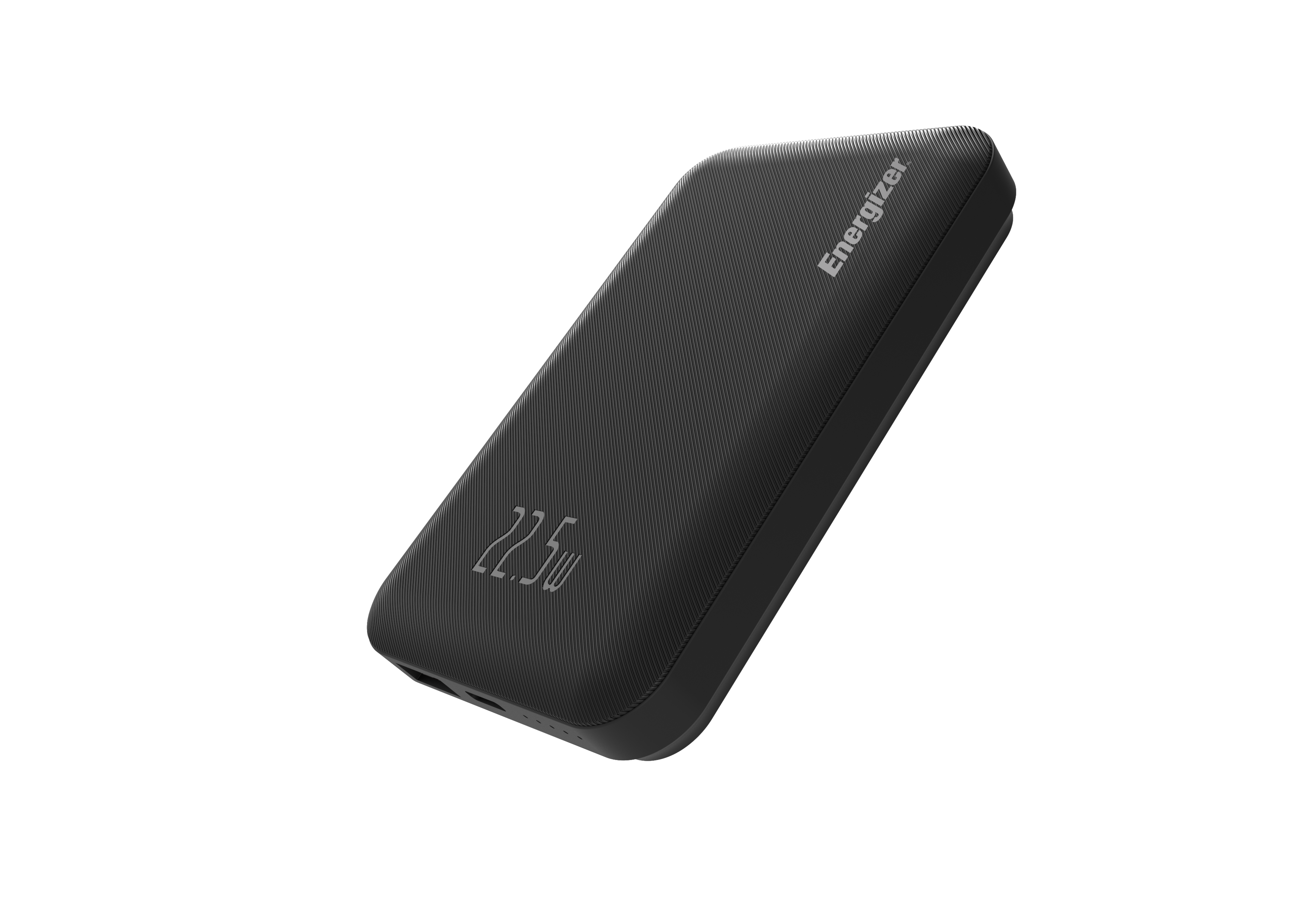
The first thing you’ll notice about the QM10005PQ is its matte finish, which provides excellent grip compared to glossy alternatives I’ve tested. The rounded edges make it comfortable to hold, and the single-button interface is straightforward—press once to check battery level, hold to turn on/off.
The magnetic ring is where this power bank either shines or disappoints. In my testing with an iPhone 14 Pro, the connection was strong enough to hold the phone securely when picking it up, though I wouldn’t trust it for vigorous shaking. With Apple’s official MagSafe case, the connection was solid. However, when I tried it with a thicker third-party case (about 3mm thick), the magnet struggled to maintain a consistent connection.
One design choice that stood out: the USB-C port serves dual purpose for both input and output. This is convenient for reducing cable clutter, but it means you can’t charge the power bank and another device via USB-C simultaneously.
Performance in Real Use
I tested the charging performance in three common scenarios that most users will encounter:
Scenario 1: The Commuter’s Quick Top-Up
During my morning commute, I attached the power bank to my iPhone 14 Pro at 30% battery. Over 45 minutes of mixed use (streaming music, occasional browsing), the phone reached 85%. The wireless charging maintained consistent speed until around 80%, then slowed down as expected. The power bank stayed cool to the touch during this moderate use.
Scenario 2: The All-Day Work Session
In a coffee shop work session, I used the power bank to keep my iPhone above 50% while taking video calls and working on documents. Over 4 hours, the power bank provided about 70% total charge to my phone while also charging my AirPods via USB-C for 30 minutes. By the end, the power bank indicator showed two bars remaining (about 40% capacity). The unit became noticeably warm during continuous wireless charging but never reached concerning temperatures.
The reality of 15W wireless charging: While the specs claim 15W maximum, in practice you’ll typically see 7-10W for most of the charging cycle. This is normal for wireless charging due to efficiency losses and thermal management, but it’s important to set realistic expectations.
Ease of Use
Where magnetic power banks truly earn their keep is convenience, and the QM10005PQ delivers well here. The automatic connection when you bring your phone near the magnet is satisfyingly intuitive. I found it particularly useful during video calls—I could simply attach the power bank and continue talking without fumbling with cables.
However, there’s one usability quirk worth noting: the power bank doesn’t automatically start charging when you attach a device. You need to press the power button first, which can be annoying if you forget. Some premium competitors offer auto-on functionality, but at this price point, the manual activation is understandable.
Durability & Reliability
After three weeks of daily use, the QM10005PQ shows minimal signs of wear. The matte finish has resisted scratches better than I expected, and the ports remain firm. I did notice some slight fading of the battery indicator LEDs’ brightness, but this doesn’t affect functionality.
Long-term reliability consideration: Like all lithium polymer batteries, this power bank will experience capacity degradation over time. Based on my experience with similar batteries, expect about 80% of original capacity after 300-400 full charge cycles. This is standard for the category, but worth considering if you plan to use it heavily for years.
Pros & Cons
What I appreciated:
- Strong value proposition—significantly cheaper than Apple’s MagSafe Battery Pack with more capacity
- Reliable magnetic connection with MagSafe-compatible cases
- Accurate capacity rating—no exaggerated claims like some budget options
- Compact and pocket-friendly design despite the 10000mAh capacity
- Dual wired outputs provide flexibility for charging other devices
What could be better:
- Wireless charging speed decreases noticeably when power bank battery is below 50%
- No auto-on feature—requires manual activation for each use
- Gets warm during extended wireless charging sessions
- Magnetic strength diminishes with thicker phone cases
- No built-in kickstand like some competing models
Comparison & Alternatives
Cheaper Alternative: Baseus Magnetic Power Bank (5000mAh) ~$20
If budget is your primary concern, the Baseus offers similar magnetic functionality at a lower price point. However, you’re sacrificing half the capacity and slower charging speeds. Choose this if: you only need occasional top-ups and prioritize price above all else.
Premium Alternative: Anker MagGo Power Bank (10000mAh) ~$60
Anker’s offering includes a built-in kickstand, slightly stronger magnets, and better thermal management. You’re paying twice the price for these premium features. Choose this if: you use your phone extensively for media consumption and need the extra functionality.
The QM10005PQ sits in the sweet spot between these options, offering solid performance and adequate features without the premium price tag. For most users, it represents the best balance of price and performance.
Buying Guide / Who Should Buy
Best for beginners: If you’re new to magnetic power banks, the QM10005PQ is an excellent starting point. The straightforward operation, clear battery indicators, and reliable performance make it beginner-friendly without overwhelming with unnecessary features.
Best for professionals: Frequent travelers and mobile professionals will appreciate the balance of capacity and portability. The ability to provide multiple charges without adding significant weight to your bag is valuable for all-day productivity.
Not recommended for: Users who need to charge multiple devices simultaneously via wireless, people who require the absolute fastest charging speeds available, or those with phones in very thick protective cases (over 3mm).
FAQ
Does it work with Android phones?
Yes, but with limitations. Android phones without built-in magnetic rings will need a magnetic adapter or case. The wireless charging will work with any Qi-compatible device, but the magnetic attachment is specifically optimized for MagSafe iPhones.
How many charges will I actually get?
For an iPhone 14 Pro (3200mAh battery), you’ll get approximately 2.5-3 full charges using wired connection, or about 2 full charges using wireless (due to efficiency losses).
Is the 22.5W fast charging worth it?
For most modern smartphones, the 20W USB-C PD charging is more relevant. The 22.5W USB-A is useful for older devices or accessories that support proprietary fast charging protocols like Huawei’s SCP.
Can I use it while charging the power bank?
Yes, but only via wireless charging. The USB-C port cannot simultaneously charge the power bank and output to another device.
Is it worth upgrading from a non-magnetic power bank?
If convenience and ease of use are important to you, absolutely. The magnetic connection eliminates cable management and ensures perfect alignment. If you primarily charge your devices while they’re stationary, a traditional power bank might suffice.
Final verdict: The QM10005PQ delivers on its core promises while making reasonable compromises to hit its price point. For most users looking for a reliable magnetic power bank, it represents excellent value and performance that exceeds expectations at this price range.